
How to Fight Fair in Love and Marriage

This article was written by Freya Robbins
When you're in a relationship, I'm sure you'd like to think that you could be walking through the forrest, singing to your animal friends and Prince Charming would come riding in on a noble steed and sweep you off your feet, as the two of you ride blissfully off into the sunset together, right? Disney has that story line down to a T. But let's face it, you are much wiser than when you were 5 years old and daydreaming about your future romantic love. Relationships take time and effort, sacrifice, compromise, communication, working on yourself and the relationship, and it takes both of you to do this. So what happens when they honeymoon is over and life gets tough? What happens when you roll up your sleeves and get ready for a hypothetical "all out brawl?" The truth is, every relationship good or bad is going to have conflict. The important part to keep in mind is that it's important to learn how to fight fair in love. So what does that look like?
Active Listening

Both partners should listen carefully to each other's perspectives and concerns, without interrupting or becoming defensive. It can be common to want to go straight into fight or flight mode, or be completely cut off and want to go straight into defense mode. Focus on what the other person is saying. You can use the 3 A model as an example of using active listening vs. just hearing someone. The 3 As are attention, attitude, and adjustment. These three components make up active listening.
Use "I" statements

Couples should use "I" statements to express their own feelings and needs, rather than making accusations or placing blame on their partner. When you use "I" statements for example: "I feel sad when I don't feel connected to you." It takes the blame for how you are feeling off of your partner, and will open up the lines of communication, take your partner out of defense mode and offer a more productive solution for the two of you to get to the root of what you are feeling.
Take breaks

If emotions become too high, couples should take breaks to cool off and collect their thoughts before resuming the conversation. If this is helpful for you and your spouse, come up with a word or phrase that signals that you need a break. Agree before hand what time frame you need for a "time out" and follow through on resuming the conversation after you both have had a chance to collect your thoughts. This can help with how to break the cycle of fighting in a relationship.
Stay focused on the issues at hand

Couples should avoid bringing up unrelated issues or past hurts, and stay focused on resolving the current issues at hand. Having a set time in your schedule as a couple to address things frequently and early on will help avoid digging up old conversations or indiscretions because you have been proactive in addressing these concerns already, so there is no need to continue to rehash these same things.
Be open minded in your relationship

But what does being open minded mean? Both partners should be open to compromise and finding creative solutions that meet both of their needs. Being open minded doesn't mean you have to say yes to everything, but it means that you are willing to actively listen to each other and collaborate together to come up with a solution or alternative that you can both agree to. Maybe there's some things you decide to agree to disagree on, but if you are both okay with that and can move forward in a peaceful and positive direction, then that can be a better solution.
Repeat what was heard
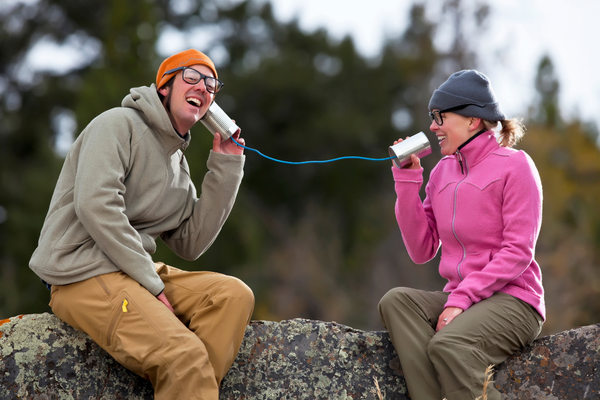
After one partner has spoken, the other partner should repeat what they heard to make sure they understood correctly. Communicate that you heard them in the same emotion that they expressed rather than just parroting back the exact wording. Use the proper inflection to let the other person know you genuinely heard what they were expressing and show you empathize with that emotion. Every human wants to feel heard, by doing this simple thing it helps create a space that feels safe to open up and discuss things in a calm environment with reassurance that each of you will be heard.
Avoid making assumptions
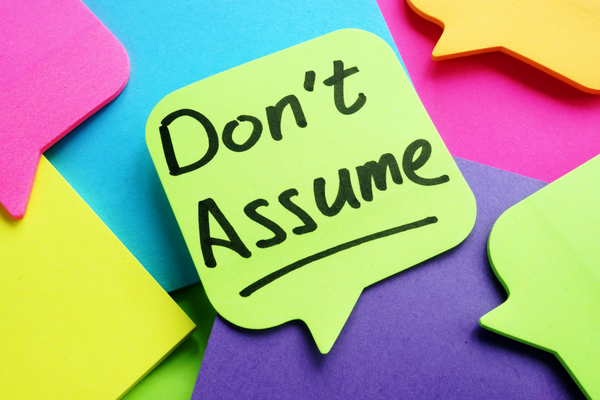
Couples should avoid making assumptions about what the other person is thinking or feeling, and instead ask questions to clarify. Using several of the above techniques such as active listening and repeating what was heard are great tools to use in helping couples to avoid making assumptions. If you are repeating back what you just heard, it allows your partner the opportunity to clear up any misconceptions or miscommunications from the beginning so both people can more forward on the same page.
Use a neutral tone
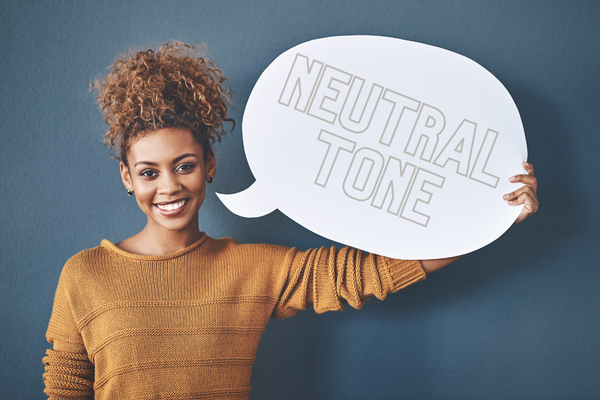
Couples should avoid using a confrontational or accusatory tone, and instead try to communicate in a neutral, respectful tone. The expression “you get more flies with honey than with vinegar” is a good thing to keep in mind in this scenario. You are here together at odds, but still trying to work on your relationship. If both people are on the defense and feeling like they want to retaliate or put up walls, you will stay in the same position and not make any progress, but if you allow each other to speak openly, honestly, and do it calmly and neutrally you will gain ground and understanding and leave the argument feeling better than if you both storm off into separate rooms still angry.
By enhancing communication in these ways, couples can ensure that their fight is productive, respectful, and successful in reaching a mutually beneficial outcome. Remember to keep your cool and that even if the two of you are not agreeing on something, you are a team and want to fight with love and respect. If you are struggling with these things in your marriage and want the help of a professional, schedule a free, no commitment phone consultation for marriage mediation with Zollinger Mediation here.