
Why Are Relationships Hard?

This article was written by Freya Robbins
What makes relationships so hard? Didn’t you grow up watching Disney and see all of the love at first sight romance unfold? Shouldn’t it be as easy as a quick song and dance? The truth of the matter is that relationships are hard because they require you to be intentional, to make tough decisions, compromise, put someone else’s needs above your own and choosing that person every day even when times are tough. Then add in a sprinkle of daily hard things and it can compound on top of one another to make the days long and leave you with nothing at the end of the day for your partner.
Coming home from work to a spouse that feels underappreciated, not seen or heard, and kids craving your attention can be enough on its own without your boss demanding more effort from you and customers upset about things out of your control. After reading this, you’re probably tired! But relationships are work, they take putting in work and effort even when you’re tired and compromising.
If you and your partner have different love languages, then that’s something else to unpack and learn how to navigate. If you are showing your mate affection by buying them flowers (gifts) and their love language is acts of service (doing the laundry without them asking you) you two could be on separate pages and that’s where miscommunication can start. Relationships should be you vs the world, not you vs each other. Sometimes when you love people in your life, they bear the brunt of everything life and others throw at you because you know they love you and will “put up” with the hard stuff.
What Does Compromise Mean in a Relationship?

Relationships take a lot of compromise, compromising what your partner wants to do over what you would prefer to do. Taking time to know their wants, needs, likes, dislikes, and how you can support them. Relationships should be give and take, sometimes that means you are giving 110% and another day you are giving less. Compromise isn’t always about giving in, it can also be about taking turns. Compromise is not always easy but it can nurture the relationship. When you are in a relationship with your partner and want to see growth in the relationship it is important to find a place of compromise within your relationship so that both of you have space to enjoy and do what each of you likes. Take turns planning date night, cooking a meal, set aside a day to get the “not so fun stuff” out of the way together and find a way to make it fun.
What Is a Love Language?

If you didn’t know that love languages exist, learning a whole new language can be difficult. You know nothing about love languages and learning anything new can be a challenge. The way you give and receive love might be different than the way your partner gives and receives love, already putting the two of you on different pages unknowingly. If you were truly learning another language you would have to spend time doing this, practicing and immersing yourself in it. Same goes for learning your partners love language and how to love them the best way possible, it takes effort. When learning about love languages, keep in mind they way you show love might not be the way you receive it and vice versa for your partner. The 5 love languages are:
- Acts of service
- Gifts
- Physical touch
- Quality time
- Words of affirmation
Communication With Your Partner

First of all, communication needs to happen for any success in any relationship.
- Communication can be difficult in this age of technology where people are constantly behind a screen and in smaller or solitary environments.
- Add in how you were raised and how your immediate family communicated- did you feel like you could openly express your thoughts and feelings as a child and feel heard? Or were you taught to be seen and not heard?
- How we were raised (religion, culture, society, etc.) can all feed into how we communicate with our partner.
There are different communication styles:
- Aggressive
- Passive aggressive
- Passive
- Manipulative
- Assertive
Knowing how you communicate and how your partner communicates play a huge role in getting on the same page for effectively communicating together. The other big piece of communication is the active listening piece. Taking the time to listen to what your partner is saying and repeating back
“what I heard you say was______ is that right?”
Instead of thinking about your response and not actually taking in what they’re saying. Communication, or lack there of is one of the key elements in a break down of a relationship. Learn to have tough conversations and communicate openly and honestly with your partner.
Life and Relationships

Life can certainly throw some stones in your path along the way, not every day is sunny., the path can be bumpy. Life can impact your relationship negatively if you don’t have a solid foundation. You like to imagine what life will be like down the road, and your thought is to think about good, positive things. The bad or hard things life can throw at us are things you don’t like to think about let alone talk about. So do you have a plan for if they do happen? There’s no need to be down in the dumps every day about what could happen, however it is a smart idea to talk about and make a plan with your partner for tough things in life:
- Death
- Finances
- Health concerns
- Life insurance
- Wills
- Family issues
- Estate planning
- Etc.
When you have a plan in place, you won’t be left scrambling or unsure when something happens. You will be able to face the issue head on together and know that you have prepared for the possibilities.
Kids

If you have ever had the thought “having a baby will make things better” please stop and think before you continue that thought. Kids are always a blessing, but they are hard work, a huge time commitment, and regardless of legal age; your kids will always be your babies, you will always worry about them and want what is best for them, and your heart will forever more be running around outside your body.
Nothing prepares you for the rollercoaster that parenting is. Adding kids to a relationship in hopes of “making things better” or creating the situation for someone to stay isn’t fair to anyone, most of all the child.
Children are physically and emotionally demanding, and if you don’t have a healthy partnership you can feel pulled in a million different directions. Having a partner with the same or similar parenting style is important, knowing what is important for both of you in terms of raising a child:
- Education
- Activities
- Friends
- College
- Religion
- Dating
- Discipline
- Health
- Etc.
are all topics that should be discussed in detail many times before considering this. Maybe try a pet first…
Blended Families

Ever try mixing oil and vinegar?
That can be an outcome of trying to blend two families into one, you have to continually shake and stir it up to get it to come together, but if you let it sit, the two will separate again. Blended families take a lot of work, and that can be hard.
All different personalities, wants, needs, and sometimes different backgrounds, or different parenting patterns. More than other relationships, blended families require constant nurturing to keep them healthy. Open conversations can be awkward at times but are important, especially to have everyone (especially the kids) feel like they’re being seen and heard.
Past Trauma
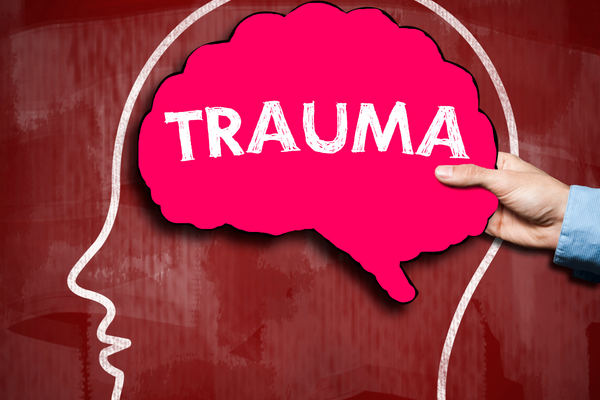
Let’s face it, everyone has baggage probably gifted to you in the form of trauma at a young age from family, friends, or even past romantic relationships. You take this baggage with you wherever you go and use it to help you decide what decisions or risks to take based on your past experiences. Until you make a conscious decision to drop the baggage, put it down and move forward it can affect any and all potential relationships.
Think of doing everything you do on a daily basis, while wearing a backpack stuffed full with 50 pounds this can make a lot of easy activities a lot more difficult. When you carry this baggage with you, you are looking through the past of something that is in your current or potential future and clouding the actual situation.
Choosing to set down the backpack and take out the items one by one to inspect them, learn from them, grow, and then leave that weight on the ground to move forward is a much healthier option.
Being Unclear About Your Wants and Needs

In your relationships, your partner is not a mind reader, they cannot guess or assume what your wants and needs are.
In general, women are typically notorious for expecting their mates to know what they want and expecting someone to know what’s in your mind can subconsciously sabotage your relationship. Part of a successful relationship is being very clear on what your wants and needs are individually and as a couple and being able to effectively communicate those to one another. Being able to support and work toward these things will help create a closer bond and deeper rooted relationship.
Boundaries

“noun
- a line that marks the limits of an area; a dividing line.”
Boundaries, what are those anyways? Were you taught as a child what those were, how to set them, and how to respect them? Boundaries can be difficult to stand firm on and respect if you haven’t had practice. Just like being clear on your wants and needs, being clear on your boundaries is vital to growing and maintaining a healthy relationship. Boundaries are important for both parties in all relationships. Talk about these as a couple and practice implementing them in your relationship in a positive and healthy way.
If you, or someone you know is struggling in your marriage, Zollinger Mediation is here to help. Click here to schedule a free consultation and have your questions answered.