
Mediation Divorce Checklist: Supporting Children

This article was written by Freya Robbins
Going through a divorce can be a challenging time for both parents and children. As a parent, it’s important to prioritize your children’s emotional, physical, and mental well-being during this time. Here are some ways you can support your children. In order to be able to do this in the most effective way possible it is important that you learn to identify and process your own emotions swiftly so you can support your children. Just like the instructions on an airplane when they are going over their emergency procedures they tell you to put on your own oxygen mask first and then assist your children with their mask. So what can you do as parents to minimize the impact of divorce on your children?
Who gets the house in a divorce with children?

That question isn’t simply answered, every situation and family is unique so there is no one size fits all, more importantly it is important to think about what is best for the children and how your decisions now and in the future will impact them, remember no one can truly see what lies ahead.
- How many kids do you have?
- Are any of them minor children?
- Are any of them adult children?
- Do you have children from a different relationship?
- Do you expect to pay or receive child support?
- What activities are your kids involved in?
- Do your kids need any extra school help ex. tutoring or an IEP?
- Will their school change if you move?
- Do you have any special needs children?
- Do your kids know you are considering divorce?
- Are you or your co-parent trying to pump the kids for information?
- Are either of you using the children as mules to avoid communicating with each other?
Co-parenting boundaries

- Do you have the same communication style as your co-parent?
- Do you and your co-parent have the same discipline style?
- Are you willing to do what’s best for your children?
- Is there any emotional, sexual or physical abuse?
- Are there other people outside of the family living in the home?
- Are you co-parenting from the same city/state?
- Are you co-parenting from different states?
- How are your children coping?
- Are you and your co-parent putting the needs of the children first?
- Have you and your co-parent discussed dating and future potential partners?
Communicate openly

Talk to your children about what’s happening and listen to their concerns. Be honest, but keep it age-appropriate and avoid placing blame on either parent. Remember this is an emotional time for everyone involved, but as an adult you are equipped with the brain development to process and understand all of these feelings and make decisions. Allowing your children to openly talk about their feelings will create a place of safety and security that will impact them for the rest of their lives. Let your children know that their feelings are valid and normal. Encourage them to express themselves and actively listen to what they have to say. Avoid dismissing or minimizing their emotions, even if you don’t agree with them. As your children grow and develop, their needs and emotions may change. Keep lines of communication open and check in with them regularly to see how they’re doing. Let them know that you’re always available to talk and provide support whenever they need it.
Provide stability

Try to maintain a regular routine as much as possible, including meals, bedtimes, and school schedules. This can help provide a sense of stability and security for your children during a time of change. Remember, depending on where they are at developmentally they already have a lot of changes going on in their normal day to day life with school, activities, and friends. All they have known up until this point is what they were born into. Spend quality time with your children and be present during activities that they enjoy. This can help them feel valued and supported, and can provide a welcome distraction from any stress or anxiety they may be experiencing. Being involved in things that are important to your children means more than spending money on things that they don’t need.
Create a safe space
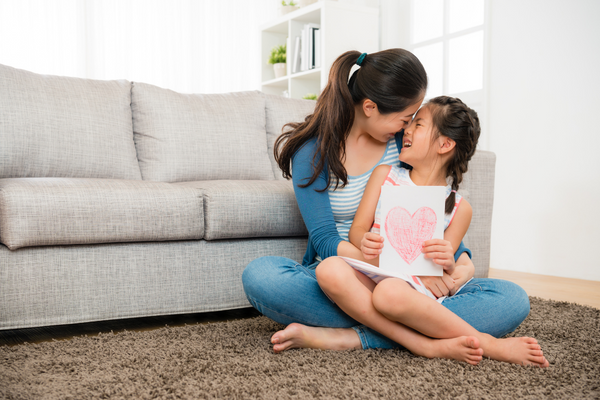
Encourage your children to express their feelings and emotions without judgment. Let them know it’s okay to feel sad, angry, or confused. If you are already living separately from your spouse let your kids know that it is okay to miss the other parent. Provide them the opportunity to talk about it and provide them with the means to reach out to the other parent. Remember to validate their feelings and experience. Maintain a positive relationship with your ex-spouse. You might have read this and raised your eyebrows at that, and while it’s not always easy, maintaining a positive relationship with your ex-spouse can help reduce conflict and provide a sense of stability for your children. Try to communicate respectfully and work together to co-parent effectively.
Take care of yourself

It’s important to take care of your own emotional, physical, and mental well-being so that you can be there for your children. Seek support from friends, family, or a therapist if needed. Remember if you are running on empty, you have nothing left to pour into your children and they need you more now than ever.
Seek professional support

Consider seeking professional help for your children, such as counseling, coaching, or therapy, to help them cope with the changes and emotions they may be experiencing. Providing them with a third party professional outlet can be very instrumental in how they are able to manage and work through their feelings about the divorce. Even if you are close with your children, they need an outside resource to vent to and get positive feedback and direction from. It is unlikely that your child will want to come openly talk to you about their frustrations if they know you are already frustrated or overwhelmed.
Avoid involving your children in adult issues

Refrain from speaking negatively about the other parent or involving your children in conflicts. This can cause unnecessary stress and anxiety for your children. Remember your children are part of each parent, they may have characteristics or mannerisms similar to your co-parent or may resemble one parent more than the other. When they hear you talk badly about the other parent, they also take that on as something you dislike about them, that will stay with them as they mature. Remember everyone is human, and isn’t perfect. Your children know who you and your co-parent both are, they know your strengths and your flaws, they do not need you pointing fingers and telling them the negative things about their other parent. They know who you both are, who they can count on, and who will show up in the challenging times. Continue to put the children first and do what is in their best interest above all else.
Remember, divorce is a difficult process for everyone involved, but with love, patience, and understanding, you can help your children navigate this challenging time.