
Parenting for Success in a COVID Changed World

This article was written by Freya Robbins
Is it me, or did parenting suddenly get a lot more complicated? It is bad enough with dealing with COVID but being separated or divorced is making our lives crazy right now!
Parenting today with both parents working is different than how many of us were raised. Can you imagine how difficult it is to be parenting alone? Parenting today in a COVID world and being separated or divorced is nothing that most of us were prepared for. We are now faced with lock downs, home schooling, e-learning and a school year that defies any semblance of normality. What are we to do and who has the answers? How can we ensure as adults and the heads of our household that our children are prepared not just to survive this pandemic but thrive and grow as human beings in an ever-changing world?
Regardless of what options will be available for our children this fall and for the foreseeable future we might reflect on what our responsibilities are as parents. Most of us feel as though it is our job to provide for, protect, prepare for, and launch our children to contribute to society and provide for themselves. Here are a few guidelines that might help:
1. Keep Adult Problems, Adult Problems
Children might be better served not to be as involved with the drama and emotion that is going on in our world. The amount and delivery of news can be overwhelming and therefore frightening to children. We are being bombarded with media, social media, friends, and family who might exacerbate the fear that could be present in your child’s mind. As adults, we are equipped to hear and deal with these issues. It should not become our children’s problem to deal with, it is ours!

2. Manage Our Anxiety

It is acceptable to be anxious and worried, but we need to protect our children from being exposed to our anxiety. Children become fearful when they believe that their parents can not manage their emotions. That is when children start acting like the parent or caregiver because they are worried about their own parent. Get counseling if you need it or find a support group that is healthy and helping others to deal with their anxiety.
3. Practice Civility
We don’t always agree with each other, but practice understanding, acceptance and inclusion. Let our children see us being kind to others as this is modeling the very behavior we want to teach our children. Sometimes we are nicer to a stranger that we are to our own family. If you cannot be nice to someone close to you, think of them like a stranger and maybe your attitude will change. Drive through Dunkin Donuts or Starbucks and let your child pay for the person behind you. Implement other acts of kindness on a regular basis to keep yourself humble. If your child’s other parent practices different discipline than you do, find a way to discuss them and figure out what works for both of you without passing judgment on them.
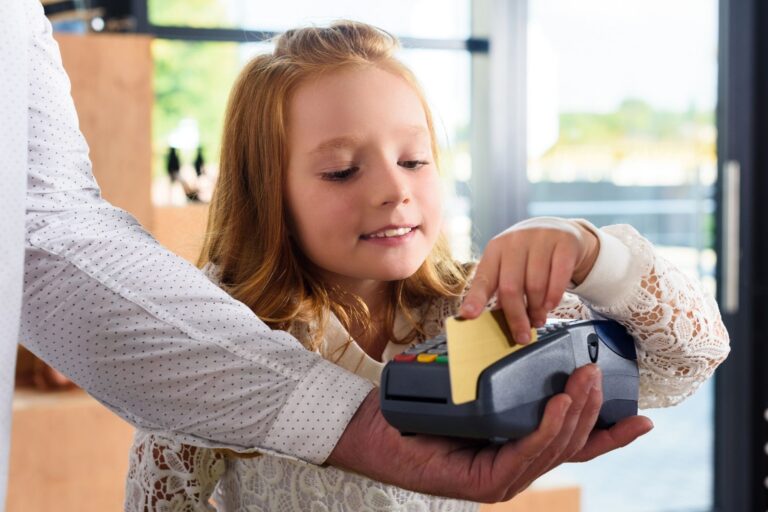
4. Communicate Effectively
Be honest in your communication, but use “I” statements. Instead of saying, “You make me so mad”, say “I get frustrated when you talk down to me”. Help teach your children to communicate effectively. Schedule regular family time to have discussions about community or world events and educate your children about struggles you faced when you were their age and how it affected you. Talk with their other parent about ground rules at their house, so your children aren’t bummed that they have to wash hands at mom’s house, etc.
5. Pick Your Battles
If the issue will matter in 5 years then maybe it is worth arguing over, but if not, perhaps you need to let it go. Some things, most things are simply not worth fighting over. Create a priority list of what is important to you and what is not. Find a time to have healthy ongoing discussions with your ex-spouse about your children. It will benefit your children’s self-esteem greatly to hear you discussing them with their other parent.